In my career as a physical educator, my overall goal is to develop physically literate students, meaning that they should understand why each task connects to health-related fitness outcomes. For example, how they can incorporate the skills they have learned to lifetime fitness, being able to perform skills proficiently, and have strong motivation and confidence in their movement abilities. When students share interest in a hobby, I wish to guide them with how and what they are doing is associated with the health-related components in different ways like the following: giving them different examples, watching videos, using visual aids, and using peer discussion and reflection tactics to help them get a better understanding. This allows them to understand that they can have fun as well as find the right way to train and exercise. I want my students to be able to gain skills that they can apply to the rest of their lives--whether that would be the ability to perform various sport and movement-based skills, or the knowledge behind the rules and tactics alongside why the skill performed is important.
In my classroom, I believe that every student can learn. I believe that when needed, being adaptable is key to being able to approach situations on the fly as the ability to be proactive and address situations before they might even occur is important. It’s additionally important in my classroom to apply Universal Design for Learning (UDL), so that every learner’s needs can be accommodated. Using UDL promotes inclusivity and equity by planning to present information in different ways. It can help improve engagement in my classroom and can help develop critical thinking and problem-solving skills. In marking progress, students will not be compared against each other, and they will only be compared to themselves and how they can improve in different aspects of learning throughout the year, whether that would be their affective, motor, or cognitive skills. I want to be able to track data through taking pre-tests and post-tests, so that I can provide facts to back my program and how my students are developing. As we are all humans and we are bound to make mistakes, what matters is that the students can learn from their mistakes and try their best to correct them and show growth. As I would like to be respected as an educator, I believe my students should also deserve the same amount of respect in return; therefore, creating a full value contract is important because it creates our classroom rules. It also brings out a sense of involvement as a student. Responsibilities that occur as an educator involve adapting instruction when needed and providing students with ample opportunities to experience success.
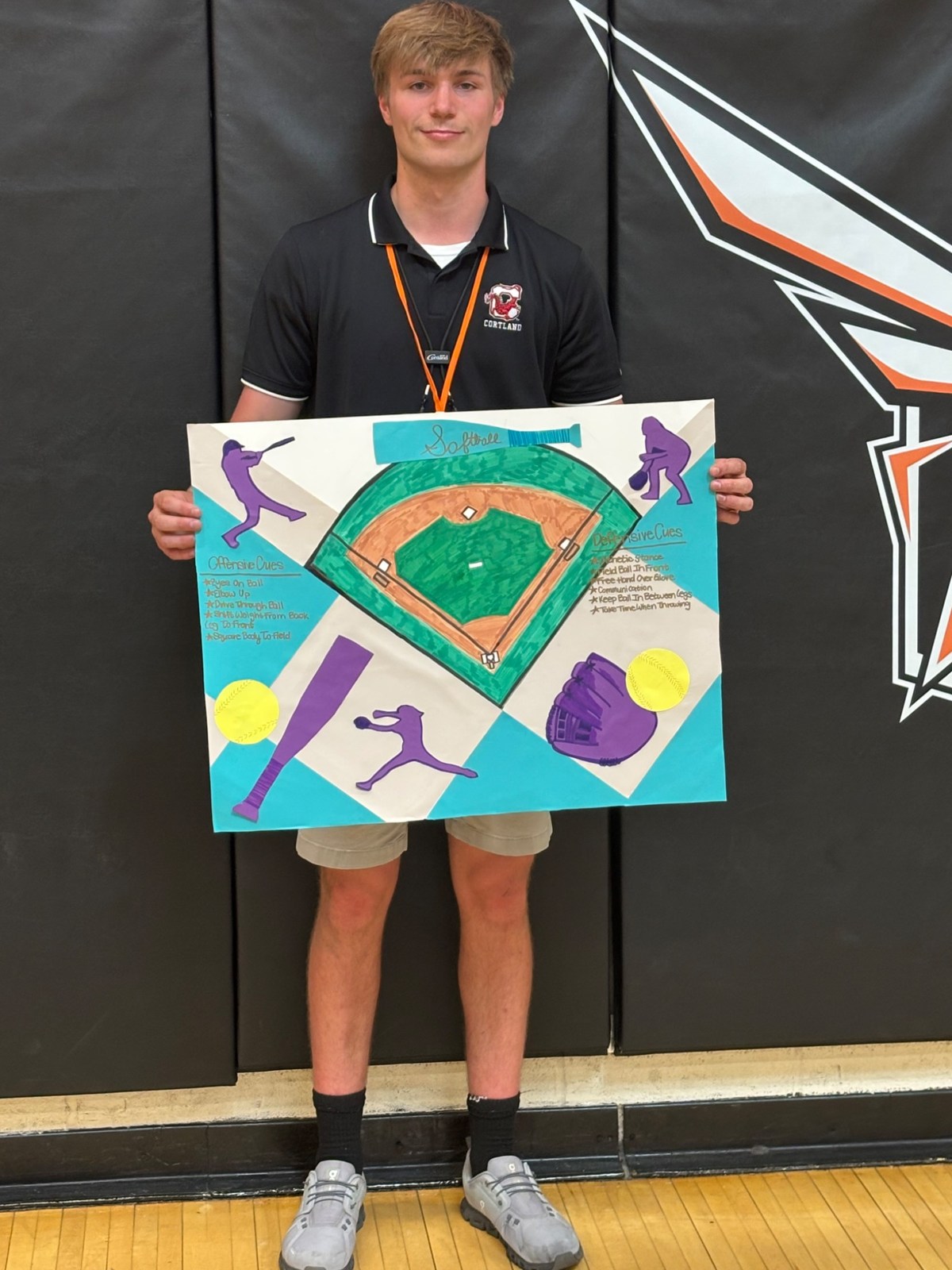
My classroom should feel like a community. In my classroom, students should feel safe, included, supported, respected, encouraged, positive, and comfortable. I will create this environment by building meaningful relationships with my students and taking the time to learn about their individual interests, abilities, and needs. I will establish clear expectations for respect and make sure that I model those expectations through the way I communicate with students. I will encourage teamwork and cooperation by providing opportunities for students to work with different classmates and support one another. I will also recognize effort and improvement, not just performance, so students feel comfortable trying new things and making mistakes. Most importantly, I want every student to know that they have a place in my classroom and that their participation and contributions are valued. The classroom should be inclusive, diverse, and accommodating towards every student. When students feel safe and supported, they are more willing to participate, take risks, and challenge themselves. When teaching, I try to be extremely engaging with the use of equipment and students to demonstrate examples. When demonstrating, I believe that repetition with the use of different angles and speed is important. Having a strategic check for understanding like questioning to engage students cognitively so they can have a better understanding. I like to incorporate peer and self-assessments into my classroom to broaden their communication skills but also to get a visual breakdown of their skills. I like to utilize visuals with color, images, and easy to read text to engage in UDL and cater to all learners' needs. Feedback is very important, it's not just simple general feedback, it's very personal, positive, corrective, and descriptive. Feedback will be based off what I observe for each student and not just feedback for the class. My games and activities are centered around my students' needs and interests but also align with standards or objectives and health-related fitness (HRF) components. I will get to know their interests through conversations, observations, and student choice. Then I will be able to incorporate those activities when appropriate. Theres's differentiation in my lessons, it’s not the same boring lesson every day. I will differentiate the lessons by changing equipment, space, rules, environment, groups, difficulty, or expectations so that students can work at an appropriate level while still working towards a common goal. This allows students of different abilities to experience success and challenge themselves at the same time.
Physical education isn’t simply about who can run the fastest, or throw the farthest, or even lift the most. Instead, physical education should create a lifelong physically active individual, ensure health, increase confidence, development of cooperation, development of communication skills, leadership, active problem solving, and many more lifelong lessons. My goal isn’t just to create a class of athletes, but I want students to understand and value movement and feel confident enough to participate in physical activity throughout their lives. As a teacher I would love to strive to be a great role model who advocates for my students and other coworkers. Lastly, I’d like to be a lifelong learner. Meaning that I am not afraid to make mistakes and learn from them. Also, always keeping an eye out for new updates in the physical education world. Ultimately, I would like my students to leave my classroom with more than just physical skills and abilities to perform tasks. I want them to leave as a more confident individual with a positive attitude towards physical activity. I would love my students to have an understanding of the movement, why it’s healthy, and how they can incorporate into their nearby adulthood.